How to Make Homemade Slaw for Hot Dog Topping
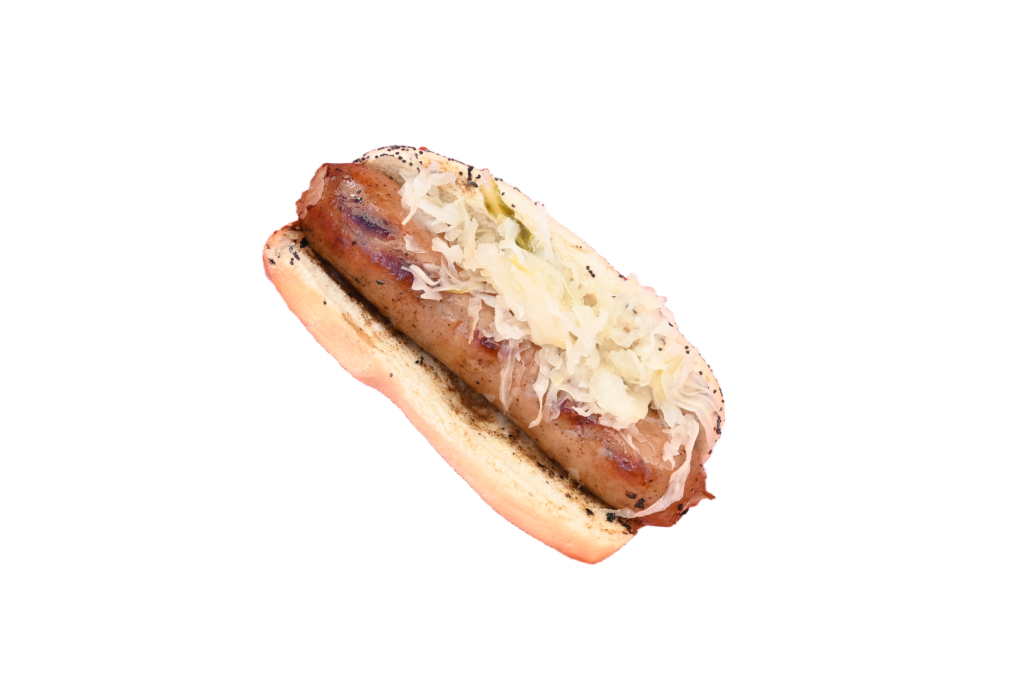
A good hot dog is rarely just about the sausage. The bun matters, the snap matters, the condiments matter, and the topping that often ties everything together is slaw. Not the heavy, picnic-style coleslaw that slides off the bun in a mayonnaise puddle, but a crisp, balanced slaw made specifically for a hot dog. That distinction is where many home cooks go wrong.
When slaw is meant for a bowl beside fried chicken or barbecue, it can afford to be creamier, looser, and a little richer. A slaw for hot dogs has a different job. It needs to bring crunch without fighting the bite, acidity without overwhelming the meat, and enough body to stay where you put it. It should brighten the dog, not bury it.
I have made slaw every way you can imagine, from deli-style chopped cabbage to a sweet Carolina version spooned over chili dogs at backyard cookouts. The biggest lesson is simple: the best hot dog slaw is built with restraint. It needs structure, sharpness, and just enough dressing to season the cabbage. Once you understand that balance, you can make it from memory and adjust it to suit almost any style of dog.
What makes slaw work on a hot dog
Texture is the first thing to get right. Thick strands of cabbage can be awkward on a bun, especially if they are long enough to drape over the sides. Finely shredded cabbage works better because it settles into the top of the dog and gives a cleaner bite. You should not need to tug slaw away with your teeth. If that happens, the shreds are too long or too coarse.
The second piece is moisture control. Wet slaw and soft buns are a bad pairing. The cabbage naturally gives off water as soon as it meets salt and acid, so the dressing has to be measured, not poured with a heavy hand. Letting the slaw rest briefly is helpful because it softens just enough, but leaving it for hours without adjustment can create a puddle at the bottom of the bowl. That liquid ends up on the bun if you are not careful.
Flavor is the third factor, and it is where homemade slaw earns its keep. A hot dog already brings salt and fat. If you are adding mustard, chili, onions, or relish, the topping space is crowded. Slaw should usually contribute freshness, brightness, and a little sweetness. Too much sugar and it tastes flat. Too much vinegar and it dominates everything. Too much mayo and it feels heavy. The sweet spot is a dressing that wakes up the dog rather than coating it.
Start with the right cabbage
Green cabbage is the standard, and for good reason. It is crunchy, affordable, and sturdy enough to hold dressing without collapsing too quickly. Red cabbage looks attractive, but it tends to bleed color into pale dressings and can be a bit firmer in texture. For a classic hot dog slaw, green cabbage is the safer choice.
Freshness matters more than people think. A good cabbage head feels heavy for its size and has tight, crisp leaves. If the outer leaves are limp or the cut end looks dry and browned, the cabbage is already past its best. You can still use it in cooked dishes, but for slaw, freshness shows immediately.
Carrot is optional. In standard coleslaw, shredded carrot adds sweetness and color. For hot dog topping, I often use very little or skip it entirely. Too much carrot can shift the slaw toward sweetness and distract from the sharper cabbage flavor that pairs so well with grilled meat. If you like it, add a small amount for color and a subtle earthy note, not as a dominant ingredient.
Onion can be excellent, but it should be used carefully. A spoonful of finely grated or minced onion in the dressing brings backbone without creating hard little bites. Sliced onion inside the slaw is less useful on a hot dog because it competes with the cabbage texture and can overpower the first bite.
Knife, mandoline, or food processor
How you cut the cabbage changes the eating experience more than most recipes admit. A food processor is fast, but it often chops rather than shreds cleanly unless the blade is very sharp and the feed tube is used carefully. A mandoline gives beautiful, thin strands, though you need to pay attention and use the guard. A chef’s knife is slower but gives the most control.
For hot dog slaw, I prefer thin shreds cut into shorter lengths. After slicing the cabbage, I often run the knife through the pile once or twice to shorten the strands. That small extra step is worth it. It makes the slaw easier to mound neatly on a bun and easier to eat without dragging half the topping off with the first bite.
If you want a finer, almost chopped slaw like the kind served at some roadside stands, slice the cabbage thinly and then chop across it until the texture is somewhere between shredded and minced. This style sits especially well on chili dogs because it tucks into the sauce instead of sliding around.
The dressing that actually belongs on a hot dog
There is no single correct dressing, but there is a clear range that works best. For most hot dogs, a lightly creamy dressing with both mayonnaise and vinegar hits the mark. Mayo provides cling and body. Vinegar cuts through the richness. A little sugar rounds it out. Mustard is optional but often welcome, especially if the slaw is heading toward a classic ballpark profile.
I usually think in ratios rather than strict measurements. For about half a medium head of cabbage, enough to top several hot dogs, you do not need much dressing at all. A few spoonfuls of mayonnaise, a spoonful or two of cider vinegar, a small pinch of sugar, salt, black pepper, and perhaps half a teaspoon of prepared yellow mustard will usually do it. Mix the dressing first, taste it, and then add it gradually to the cabbage. The right amount is the amount that lightly coats the shreds while leaving the bowl mostly dry.
Cider vinegar is the most versatile choice because it brings acidity with a mild fruitiness. White vinegar gives a cleaner, sharper taste and works well if you want an old-fashioned diner feel. Distilled vinegar can be a little harsh unless balanced carefully. Lemon juice is fresh and bright, but it does not read as traditional slaw for a hot dog in the same way vinegar does.
Sugar deserves a measured hand. Some regional slaws, especially those served with barbecue or on Southern-style dogs, lean noticeably sweet. That can be delicious, but sweetness rises quickly. Start low. You can always stir in a little more after the cabbage softens and the flavors settle.
A dependable base formula
If you like having one starting point you can rely on, here is the version I would hand to any cook who wants a crisp, balanced topping. It is not the only way, but it is a very forgiving one.
Take about 5 to 6 cups of finely shredded green cabbage. Add 2 to 3 tablespoons mayonnaise, 1 1/2 tablespoons apple cider vinegar, 1 teaspoon sugar, 1 teaspoon yellow mustard, 1/4 teaspoon kosher salt, a few grinds of black pepper, and 1 teaspoon very finely grated onion or onion juice if you want extra savory depth. Toss thoroughly, let it sit for 10 to https://cristianiikz098.brightpathdigest.com/posts/the-best-onion-toppings-for-a-flavorful-hot-dog 15 minutes, then taste again. If the cabbage still tastes raw and flat, it may need another pinch of salt. If it tastes too sharp, another small pinch of sugar can even it out. If it feels heavy, loosen it with a little more vinegar rather than more mayo.
This amount will top roughly 6 to 8 hot dogs, depending on how generous you are and what else is going on the bun.
Why resting time matters
Freshly dressed slaw can taste disjointed. The cabbage is still rigid, the vinegar sits on the surface, and the salt has not had time to draw out any moisture. Ten to twenty minutes of rest changes that. The cabbage relaxes slightly, the dressing spreads more evenly, and the flavor becomes rounder.
There is a limit, though. Leave it too long and the slaw can lose the crackling freshness that makes it valuable on a hot dog. For service at home, I like to make it 15 to 30 minutes ahead, then toss once more before serving. If I need to prepare it earlier, I keep the shredded cabbage and dressing separate and combine them closer to mealtime.
This is especially important for parties. A bowl of slaw that looks perfect at noon can be watery by two o’clock if it has been fully dressed and sitting in the sun. Cold storage helps, but timing matters just as much.
Mayo-based versus vinegar-based slaw
Both styles can work, but they play differently on a bun. A mayo-based slaw feels familiar and softens the overall bite. It pairs particularly well with grilled all-beef hot dogs, charred sausages, and dogs with mustard. It also works well when the slaw is the main topping and you want the hot dog to feel complete without much else.
A vinegar-based slaw is sharper, lighter, and often better for richer builds, especially chili dogs or smoked sausages. Because it is less creamy, it can cut through heavier toppings without making the bun feel overloaded. It also holds up well outdoors in warm weather, though it still should not sit out carelessly.
In practice, many of the best hot dog slaws fall in the middle. They use just enough mayonnaise for cohesion and just enough vinegar for brightness. That middle ground is where you get crunch, cling, and clean flavor all at once.
Regional cues worth borrowing
Hot dog slaw changes depending on where you are. In parts of the Carolinas, a sweeter, finer slaw often appears on hot dogs, sometimes alongside chili, mustard, and onions. That style tends to be softer and more integrated, almost like a relish in texture. It is excellent if you want a classic cookout profile.
In deli and diner settings farther north, slaw often leans creamier and more cabbage-forward. That style is often better beside sandwiches than on top of a dog, but if you tighten the dressing and shred the cabbage finer, it translates well.
There is also a sharper, picnic-style slaw common in barbecue circles, dressed more with vinegar than mayo. That one works beautifully on smoky sausages and grilled dogs where you want the topping to cut through fat and char.
The smart move is not to copy a region blindly, but to borrow the elements that serve your meal. If you are building a chili dog, go finer and a little sweeter. If you are serving grilled beef dogs with mustard and pickles, go crisper and brighter.
Common mistakes that ruin the topping
Most slaw problems come from one of four choices: too much dressing, too much sugar, cabbage cut too thick, or not tasting after it rests. The dressing issue is the most frequent. Cabbage does not need to swim. It needs to glisten. The slaw should hold together loosely in a spoon, not slump like salad in a diner side dish.
Sugar is another trap. A little sweetness is useful because it offsets bitterness in the cabbage and acidity in the vinegar. Too much makes the slaw taste generic and dessert-adjacent, which is not what a savory hot dog needs.
Thick cabbage is simply awkward. It can be fresh and flavorful, but the eating experience suffers. You notice this most when guests start using a fork to manage what was supposed to be a handheld meal.
The final mistake is failing to re-season. Slaw almost always changes after ten minutes. Salt gets absorbed. Liquid releases. Sharp edges soften. A slaw that tasted balanced right after mixing may need another pinch of salt or a dash more vinegar by the time it hits the bun.
How to make it ahead without losing crunch
If you want the convenience of advance prep and the texture of freshly made slaw, treat the cabbage and dressing as separate components until close to serving time. Shred the cabbage, wrap it loosely with a paper towel in a container, and refrigerate it. Mix the dressing in a jar and chill that too. Toss them together shortly before the hot dogs are ready.
If the cabbage seems slightly dry from the fridge, that is not a problem. Once dressed, it will freshen quickly. If it seems wet, pat it dry before tossing so the dressing is not diluted.
For larger gatherings, I sometimes salt the cabbage very lightly, let it sit for 20 minutes, then squeeze or pat away the released moisture before dressing it. This produces a slaw that stays crisper and less watery over time. The trade-off is that you have to be cautious with additional salt in the dressing. It is an old kitchen trick, and it works, but only if you remember that the cabbage has already been seasoned.
Pairing slaw with other hot dog toppings
Slaw can be the star, but it usually shares the bun. With mustard, it is almost always a good match. The tangs complement each other, especially if the slaw is only lightly sweet. With onions, keep one or the other restrained so the bite does not become sharp from every angle. With relish, be careful, since relish adds both sweetness and moisture, two things slaw may already be contributing.
Chili and slaw are a classic pairing for a reason. The slaw adds cold crunch against hot, rich chili and turns a heavy dog into something more balanced. In that setting, a finer slaw works best. Coarse shreds make the dog feel unstable.
Cheese is more divisive. It can work, particularly with chili and a vinegar-forward slaw, but creamy slaw plus melted cheese can feel muddled. When in doubt, simplify. The best hot dog builds usually have one rich element, one sharp element, and one fresh element. Slaw often does the fresh work better than almost anything else.
Small adjustments that make a big difference
A touch of celery seed can give slaw that unmistakable deli aroma, but it should be subtle. Too much and it dominates. A small amount of Dijon or dry mustard can sharpen the dressing if yellow mustard tastes too soft. A drop of honey can sweeten more gently than sugar. Finely grated apple can add moisture and sweetness in a more natural way, though it changes the style and shortens the shelf life.
Black pepper is often overlooked, yet a few turns can add welcome warmth. I would avoid garlic in most hot dog slaws unless the rest of the meal is built around it. Garlic lingers and can crowd out the clean cabbage flavor that makes slaw refreshing.
If you want a bit of heat, a pinch of cayenne or a few drops of hot sauce in the dressing goes a long way. The heat should register as liveliness, not as a separate flavor competing with the dog.
Serving it so it stays appealing
Cold slaw on a hot dog is part of the pleasure, so keep it chilled until the last minute. Spoon it on just before serving rather than building dogs far ahead. If the slaw has released liquid in the bowl, toss it again and lift it out with tongs or a slotted spoon rather than pouring that liquid onto the bun.
Use more slaw than you think you need, but not so much that it topples. For a standard bun, a modest mound is enough to give every bite crunch and tang. The point is contrast, not volume.
This is one of those toppings that rewards attention without demanding fuss. Once you have made it a couple of times, you stop needing a recipe. You learn to read the cabbage, taste the dressing, and adjust based on the meal in front of you. A grilled beef dog on a summer evening wants something slightly different from a chili dog in the middle of football season, and slaw is flexible enough to meet both.
The homemade version wins because it respects those details. It can be crisper, lighter, sharper, and better proportioned than anything from a tub. More important, it can be made for the exact job at hand, which is not being a side salad but being the topping that makes a hot dog taste complete.
Under Construction Hot Dogs
1225 W U.S. Hwy 50, Pueblo, CO 81008
FAQ About hot dog
What are different types of hotdogs?
Under Construction Hot Dogs offers a classic all-beef hot dog, a quarter-pound Jumbo Dog, a Chili Dog, and a Chicago Dog, along with brats and a Spicy Link.
What does a chili dog have on it?
Our Chili Dog pairs a Vienna all-beef hot dog with chili, shredded cheddar cheese, and finely diced onions.
What is in a traditional Chicago dog?
Our Chicago Dog comes on a steamed poppy seed bun with yellow mustard, bright green relish, onions, tomato wedges, a pickle spear, sport peppers, and celery salt.